

Japan is a destination that intrigues and fascinates. Between centuries-old temples, zen gardens, and a unique spiritual atmosphere, the archipelago offers a rich experience for the Muslim traveler. But how to fully enjoy this cultural richness when you are Muslim? Where to pray? Where to eat halal? Which temples affect prayer times? Here is our guide to must-visit sites in Japan for the halal traveler.
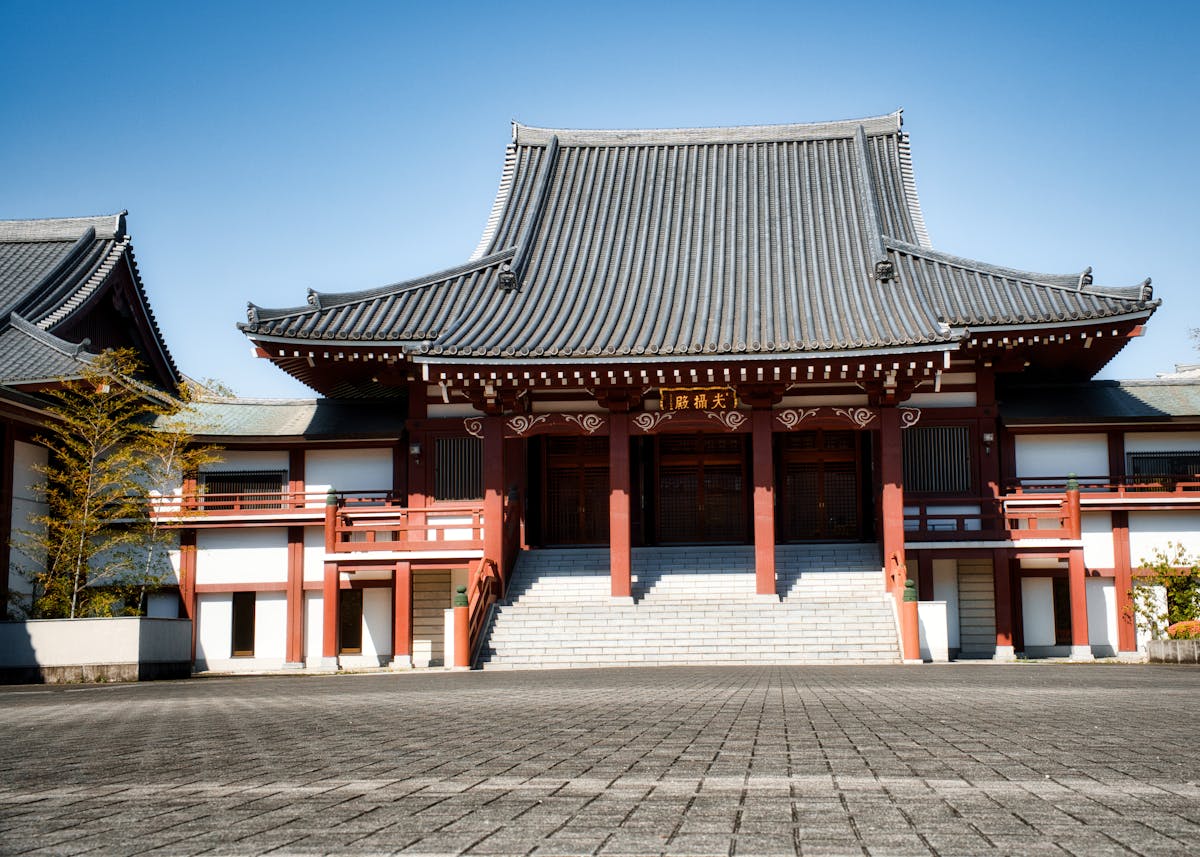
Historic temples not to be missed
Japan has thousands of Buddhist temples and Shinto shrines. For the Muslim traveler, some offer a particularly conducive atmosphere for reflection and contemplation — even without a mosque on site.
Zojoji, Tokyo — the oldest Buddhist temple in Kanto
Located at the foot of the Tokyo Tower, Zojoji is one of the most iconic temples in Japan. Founded in 1399, it was the main temple of the Tokugawa clan during the Edo period. Today, it is the headquarters temple of the Jodo-shinshu sect (Pure Land Buddhism) in Tokyo.
Why visit: The architecture is impressive — the huge Niomon gate (colossal lion statues), the peaceful gardens, and the view of the Tokyo Tower create a fascinating contrast between tradition and modernity. A space of serenity in the heart of the capital.
For prayer: Zojoji is not a mosque, but the grounds are open and quiet. You can find a quiet corner in the garden to pray. LIGHTSON Tokyo (immediate proximity) offers extended prayer room hours for faithful worshippers.
Senso-ji, Asakusa — the oldest temple in Tokyo
In the Asakusa district, Senso-ji is the oldest and most famous Buddhist temple in Tokyo. Dating from the year 628, it attracts millions of visitors each year — pilgrims, tourists, and worshippers come to pray.
Why visit: The Nakamise shopping street leading to the temple offers a total immersion in traditional Japanese culture. The kaminarimon (thunder gate) with its giant lantern is iconic. The main temple and its gardens create an atmosphere of peace in the middle of urban bustle.
Halal tip: The Asakusa district has several halal-friendly restaurants around the temple. The nearby Tokyo Mosque (JABTEM) makes it easy for worshippers who wish to join the local congregation.
Fushimi Inari-taisha, Kyoto — the 10,000 torii
In the ancient capital Kyoto, Fushimi Inari is one of the most photographed sites in Japan. This Shinto shrine is famous for its thousands of torii (vermillion gates) that wind up the mountainside.
Why visit: Walking through the torii tunnels is a unique meditative experience. The path leads to the summit of the mountain (233m) with panoramic views of Kyoto. Unlike Buddhist temples, Shinto shrines are open to everyone — no entry restrictions.
For prayer: There are several spaces along the path where you can stop to pray. Bring your prayer mat. The best time for a zen visit is early morning (before 7 AM).
Kinkaku-ji (Golden Pavilion), Kyoto
The Kinkaku-ji is one of the most recognizable monuments in Japan — its golden pavilion reflects perfectly in the surrounding pond. Originally built in the 15th century, it has been rebuilt several times (the last rebuild dates from 1955).
Why visit: The architectural beauty and natural setting make it an ideal place for contemplation. The Zen gardens surrounding the pavilion offer a space of calm and reflection.
Todai-ji, Nara — the largest bronze Buddha in the world
In the ancient capital Nara, Todai-ji houses the largest bronze Buddha statue in the world (15m high). This temple, founded in 752, is a UNESCO site and a major pilgrimage site.
Why visit: The immense scale of the statue and the hall that houses it is striking. Nara Park, with its freely roaming deer, adds a unique meditative dimension. For the Muslim traveler, Nara also offers a nearby prayer point closest to the temple.
Where to pray in Japan: guide to mosques and prayer rooms
Japan has relatively few mosques compared to other Asian destinations, but major cities have them. Here are the main prayer points for the Muslim traveler:
Tokyo Mosque (Tokyo Camii)
The Tokyo Camii, located in the Okubo district (Tendon-nishi area in Shinjuku), is the largest mosque in Japan. It can accommodate about 1,200 worshippers and offers daily prayers plus Friday prayers.
Practical info:
- Hours: prayers from about 5 AM to 9 PM (adjust according to prayer times)
- Access: 5 min walk from JR Okubo station, north exit
- Services: Islamic library, halal restaurant on site
Useful link: Check prayer times on the « Muslim Pro » or « Athan » app to plan your visits around prayer times.
Kyoto mosque
The Kobe Islamic Center or small community prayer rooms in Kyoto are the closest options to pray in the ancient capital. There are also prayer rooms in the university areas of Kyoto (Doshisha University).
Other prayer points to know
- Osaka: small mosque in Umeda, prayer rooms in shopping centers
- Nara: Nara Mosque, near Todai-ji site
- Hiroshima: Muslims Hiro community prayer room
Tip: Always carry a compact prayer mat. Temples and shrines generally allow you to pray in their gardens or outdoor areas.
Eating halal in Japan: tips and good addresses
Eating halal in Japan can be a challenge, but not impossible. Here are the strategies that work:
- 7-Eleven and Konbini: convenience stores offer bentos with grilled chicken (non-marinated in alcohol), onigiri (no pork), fruits, and vegetables
- Yakiniku restaurants: Japanese grills where you control the cooking — take only beef and chicken, avoid marinade sauce
- Indian and Middle Eastern restaurants: Kyoto, Tokyo, and Osaka have certified halal Indian and Arabic restaurants
- Department stores (Isetan, Takashimaya): the basement floors (gobindo) offer halal bentos at the food hall
- Ai market in Osaka: market where you will find imported halal products
Getting around Japan with prayer times in mind
Japan has an exceptional public transportation network. To optimize your halal stay:
- Use the Japan Rail Pass for your journeys between cities (Kyoto, Nara, Tokyo, Osaka)
- Plan your temple visits in the morning (before 9 AM) to avoid crowds and be able to pray in peace
- The Google Maps application with the transport layer allows you to plan routes in real time
- For prayer times, the Muslim Pro application gives accurate schedules for each Japanese city
Best time to visit
The cherry blossom season (sakura, late March to early April) offers a magnificent experience in all temples. Temple gardens are particularly photogenic during this period. May and October also offer ideal conditions — pleasant temperatures, moderate crowds.
Useful links to prepare your halal trip to Japan
Resources
Book your activities in Japan:
– Excursions and guided tours on Klook → (*)
R
11; Temple visits and cultural experiences on Klook → (*)
Guided tours with GetYourGuide:
– Discovery tours on GetYourGuide → (*)
– Halal experiences in Japan on GetYourGuide → (*)
SIM and eSIM for traveling in Japan:
– Japan eSIM — unlimited data on Airalo → (*)
Connected home: Automate your home with a local AI assistant. Compare solutions on Lunarok-domotique.com and discover Domobayt.com for a smart home.