

Southeast Asia Halal Travel: The Complete Guide to Halal Tourism in 2026
Southeast Asia has become one of the favorite destinations for Muslim travelers seeking enriching experiences that align with their faith. Between the cultural immensity of Indonesia, Malaysia’s gastronomy, Thailand’s landscapes, and Singapore’s unique blend of tradition and modernity — this guide to Southeast Asia halal travel covers everything you need to know to plan an unforgettable trip in 2026.
Why Choose Southeast Asia for Halal Travel?
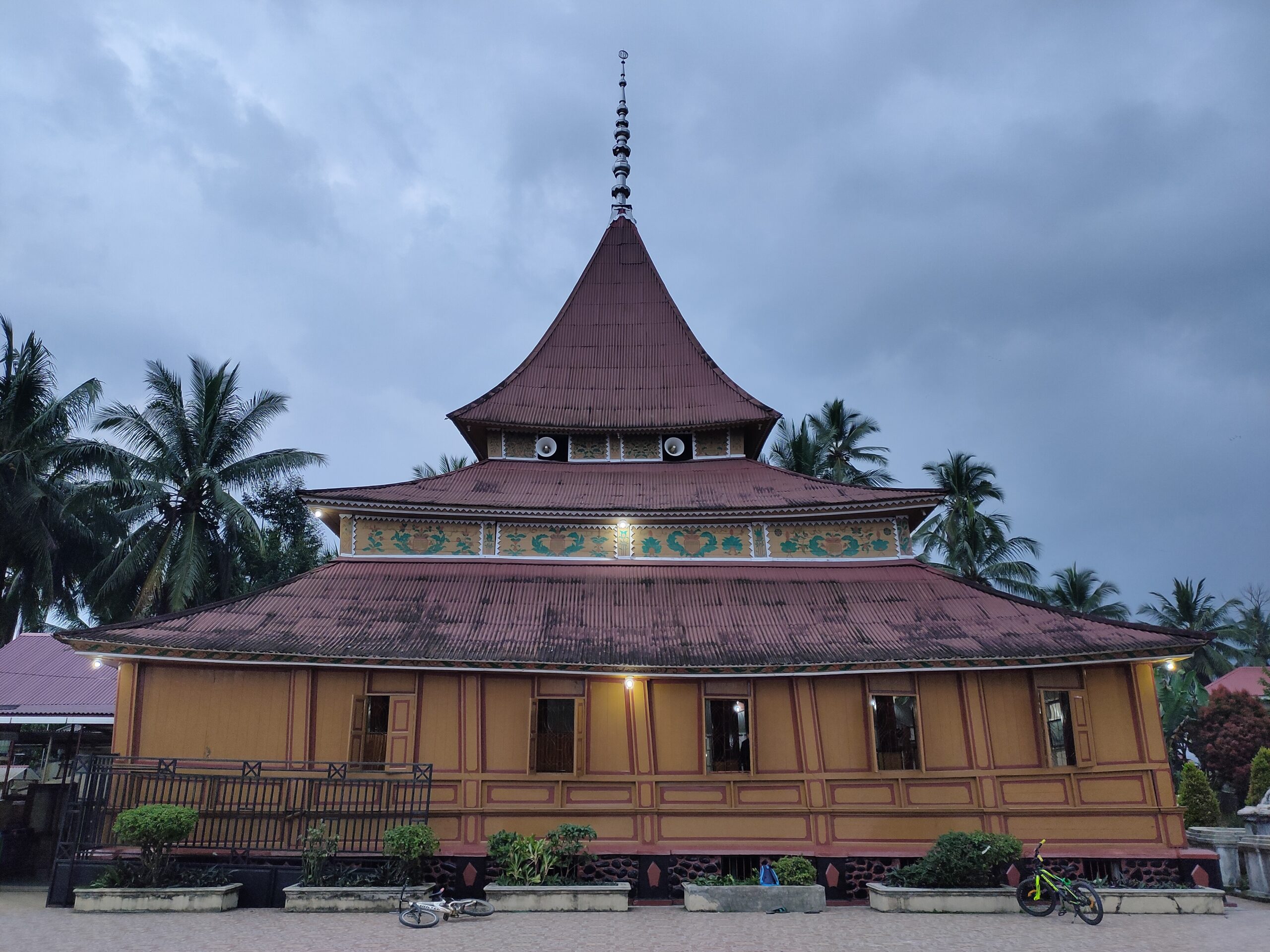
Southeast Asia offers a rare combination: destinations where Islam is an integral part of the social and cultural fabric, where finding halal food is straightforward, and where mosques are easily accessible. Centuries of Islamic history have shaped countries like Indonesia (the world’s largest Muslim-majority nation), Malaysia, and Brunei — while coexisting with a religious diversity that enriches the tourist experience.
The region also offers excellent value for money, developed tourist infrastructure, and hospitality that has made Southeast Asia’s reputation. Whether you are looking for paradise beaches, Islamic historical sites, or deep cultural immersion — you will find what you are looking for.
The Best Halal Destinations in Southeast Asia
Indonesia: The World’s Largest Muslim Nation
Indonesia is the flagship destination for halal travel in Southeast Asia. With over 230 million Muslims, it offers an environment naturally welcoming to Muslim travelers. From the beaches of Bali halal travel to the historical sites of Yogyakarta, through the Gili Islands and Lombok — Indonesia covers all travel styles.
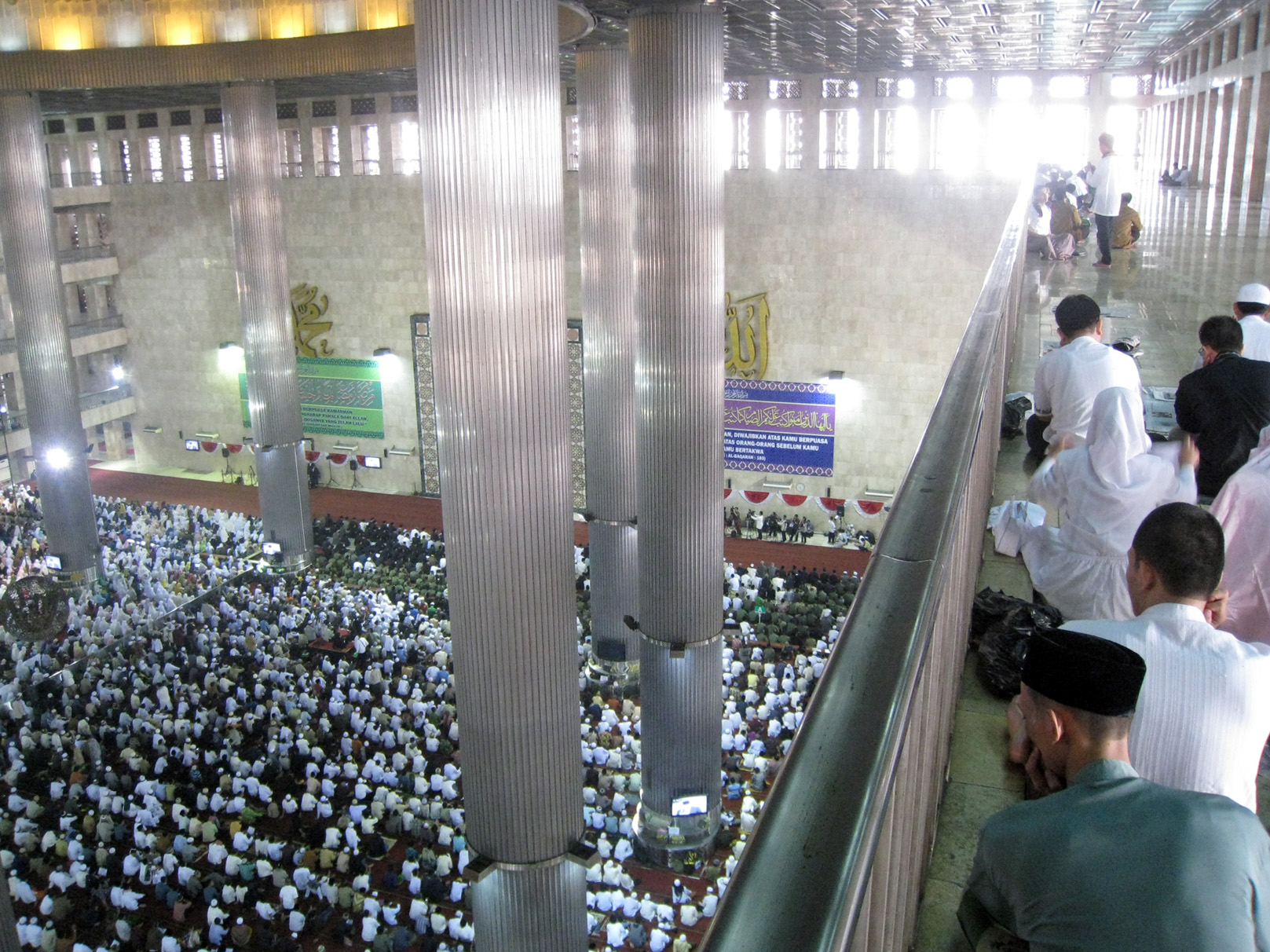
Jakarta, the capital, is home to majestic mosques like the Istiqlal Mosque — the largest mosque in Southeast Asia — and the Al-Azhar Mosque, easily accessible for prayer. For an in-depth discovery of the capital, see our guide to essential mosques in Jakarta.
Malaysia: The Halal-Friendly Champion
Malaysia is often cited as the most halal-accessible destination in the world. The country has developed a genuine halal infrastructure, from restaurants to hotels to transport. Kuala Lumpur abounds with halal restaurants at all price points, and Masjid Jamek mosque is an iconic place of worship in the heart of the city.
Penang, on the west coast, is a paradise for street food lovers. Our complete guide to halal street food in Penang takes you through the best night markets and hawker centers on the island. For history, our article on the history of Islam in Malaysia traces the fascinating journey of the sultans and modern mosques.
Singapore: Islamic Tradition at the Heart of Modernity
Singapore proves that modernity and religious tradition can coexist harmoniously. The Kampong Glam district, with its Masjid Sultan mosque and historic streets, is the heart of the city’s Muslim community. It is an ideal neighborhood to immerse yourself in Islamic culture while enjoying Singapore’s modern comforts.
Our article on the history of Islam in Singapore details the community’s evolution from its origins to today. For travelers looking for an urban destination with a strong halal component, Singapore is an excellent choice.
Thailand: Beyond Buddhist Temples
Thailand is often associated with Buddhist temples, but the south of the country — around Phuket, Krabi, and Koh Lipe — has a significant Muslim population and well-developed halal infrastructure. The southern islands offer stunning beaches with halal options available.
Check our must-do guide for Muslim travelers in Thailand to discover the best activities and faith-aligned restaurants in the south of the country.
Japan: An Emerging Destination for Muslims
Japan is not a Muslim-majority country, but Tokyo and Kyoto have developed a growing halal offering in recent years. From temples to prayer rooms, to certified restaurants, Japan is becoming an increasingly accessible destination for Muslim travelers.
Our guide what to do in Japan as a Muslim covers prayer places, halal restaurants, and accessible historical temples.
Practical Tips for Successful Halal Travel in Southeast Asia
Finding Halal Restaurants
In major tourist destinations (Bali, Kuala Lumpur, Singapore), halal restaurants are numerous and easy to identify thanks to displayed halal certificates. Outside tourist areas, favor restaurants in Muslim neighborhoods or near mosques. In Indonesia and Malaysia, the majority of local restaurants are already halal or offer halal options.
Observing Prayer Times
Prayer times vary by country and season. Generally, Friday prayer is the most important moment — plan your day accordingly. Mosques are generally accessible to non-Muslims outside of prayer hours, but check in advance for visits.
Ramadan in Southeast Asia
Ramadan is a special time to travel in the region. In Indonesia and Malaysia, fasting days are observed by a large part of the population. Restaurants may be harder to find during the day, but iftar halal meals are often excellent and affordable. It is also a period of great spirituality in local mosques.
Dress Code Respect
At religious sites and mosques, wear covering clothing (shoulders and knees). For women, a hijab is recommended in mosques. Outside these sites, the dress code is generally casual thanks to the tropical climate.
FAQ — Frequently Asked Questions About Southeast Asia Halal Travel
What is the best time to visit Southeast Asia?
The best time varies by country. For Indonesia and Malaysia, the dry season (April to October) is ideal. For Thailand, the best period is from November to February. Avoid Christmas and Chinese New Year holidays for better rates.
Do you need a visa for Southeast Asia?
It depends on your nationality and the country. French citizens benefit from visa exemptions for Malaysia (90 days), Singapore (30 days), and Indonesia (visa on arrival). Thailand also offers visa exemptions depending on the length of stay.
Is Southeast Asia expensive?
Southeast Asia offers an excellent price range. Indonesia and Thailand are among the most affordable destinations for travelers, with halal meals starting from €2-3. Malaysia and Singapore are more expensive but offer superior comfort.
Is it easy to find halal food in Southeast Asia?
Yes, especially in the destinations covered in this guide. Indonesia and Malaysia have abundant halal options naturally. In Thailand, look for restaurants in Muslim areas or near mosques. In Singapore, halal certification is widespread and clearly displayed.
Links to Destination Guides by Country
Use the links below to explore each destination in depth:
- Bali Halal: Complete Guide for a Faith-Aligned Trip to Indonesia
- Lombok Halal: The Indonesian Island for Muslim Travelers
- Islamic Heritage of Yogyakarta: From Borobudur to Halal Flavors
- Jakarta Halal: Essential Mosques in Indonesia’s Capital
- History of Islam in Malaysia: From Sultans to Modern Mosques
- Complete Guide to Halal Street Food in Penang, Malaysia
- History of Islam in Singapore: From Kampong Glam to the Modern City-State
- History of Islam in Java: From the Wali Songo to Jakarta
- What to Do in Thailand as a Muslim: Must-Do Guide
- What to Do in Japan as a Muslim: Temples, Prayer Places and Halal Culture
- Dubai Halal: Complete Guide for a Faith-Aligned Trip to the Emirates
- Istanbul Halal: Complete Guide for a Faith-Aligned Trip to Turkey
Conclusion — Southeast Asia Awaits
Southeast Asia halal travel is a unique experience that combines spirituality, culture, and discovery. Each country in the region brings its own flavor to the experience: Indonesian douceur de vivre, Malaysian thoroughness, Singapore’s cosmopolitanism, and Thai cultural richness.
This guide is your starting point for planning an unforgettable trip. Each link to detailed articles will take you further into discovering your chosen destination.
To prepare your next trip, also check our complementary articles on UmrahOnTheGo for your pilgrimages, and Domobayt for a smart home that accompanies your spirituality in daily life.